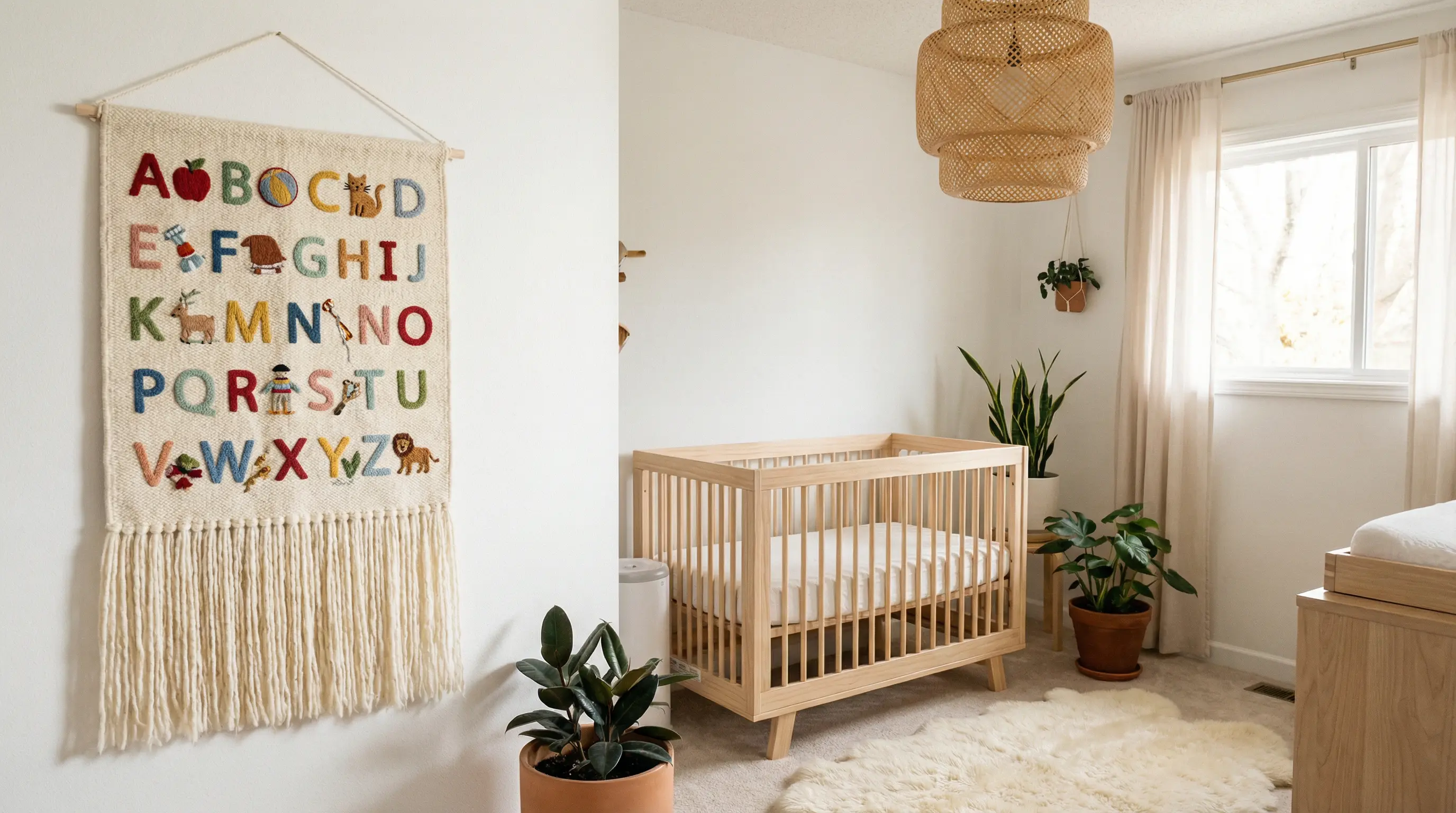
You’ve invested in a beautiful handwoven wool tapestry—a piece of artisan craftsmanship that will bring warmth and character to your home for years to come. With proper care, your tapestry can last for generations, becoming a treasured family heirloom. Here’s everything you need to know about keeping it looking its best.
The Good News: Wool is Wonderfully Low-Maintenance
One of the many benefits of natural wool is its inherent resilience. Wool fibres have a natural protective coating that resists dust, dirt, and stains. Unlike synthetic materials that attract and hold onto particles, wool tends to stay cleaner with minimal effort.
This means your tapestry won’t need frequent cleaning. In fact, over-cleaning can do more harm than good. For most households, a simple maintenance routine is all that’s required.
Regular Maintenance
Weekly: A Quick Once-Over
Once a week, give your tapestry a gentle shake or a light brush with a soft-bristled brush. This removes any surface dust that may have settled and keeps the wool fibres looking fresh.
If your tapestry is in a high-traffic area or a room that tends to get dusty, you might do this more frequently. In a nursery or bedroom with less dust, every couple of weeks is usually sufficient.
Monthly: Gentle Vacuuming
Once a month, use your vacuum cleaner on its lowest suction setting to remove any dust that’s worked its way into the fibres. Use the upholstery attachment and work gently across the surface of the tapestry.
Important tips:
- Always use the lowest suction setting to avoid pulling or distorting the fibres
- Work in the direction of the stitching, not against it
- Never use a beater bar attachment, as this can damage the wool
- Support the tapestry with your hand behind it while vacuuming
Seasonally: Air It Out
Every few months, take your tapestry outside on a dry, overcast day and hang it in the fresh air for a few hours. This helps to naturally refresh the fibres and release any odours that may have accumulated.
Avoid direct sunlight, which can fade colours over time. A shaded spot with good air circulation is ideal.
Dealing with Spills and Stains
Accidents happen, especially in homes with children. If something spills on your tapestry, act quickly:
Step 1: Blot, don’t rub. Use a clean, dry cloth to blot up as much of the spill as possible. Rubbing can push the stain deeper into the fibres and damage the wool.
Step 2: Spot clean gently. Dampen a clean cloth with cool water and a tiny amount of mild soap (wool-safe detergent or even a drop of washing-up liquid). Gently dab the stained area, working from the outside of the stain inward.
Step 3: Rinse. Use a clean, damp cloth to remove any soap residue.
Step 4: Dry thoroughly. Blot with a dry cloth, then allow the area to air dry completely. You can speed this up with a fan, but avoid using heat.
For stubborn stains: If a stain persists after spot cleaning, consult a professional textile cleaner who has experience with wool and handmade items. Do not attempt to machine wash or use harsh chemicals.
What to Avoid
To keep your tapestry in pristine condition, avoid the following:
Machine washing. Never put your wool tapestry in a washing machine. The agitation and heat can cause shrinkage, felting, and permanent damage.
Dry cleaning. While some wool items can be dry cleaned, the chemicals used can be harsh on handwoven textiles. If professional cleaning is needed, seek out a specialist in textile conservation.
Direct sunlight. Prolonged exposure to direct sunlight will fade the colours over time. If your tapestry is in a sunny spot, consider using UV-filtering window treatments or rotating its position periodically.
High humidity. Wool can absorb moisture, which may lead to mildew in very humid environments. Ensure good air circulation in the room where your tapestry hangs.
Moths. Wool is a natural fibre that moths find attractive. If you notice any signs of moth activity (small holes, larvae, or adult moths), take action immediately. Cedar blocks or lavender sachets near your tapestry can help deter moths naturally.
Storing Your Tapestry
If you need to store your tapestry for an extended period—perhaps during a house move or renovation—proper storage is essential.
Roll, don’t fold. Folding creates creases that can become permanent over time. Instead, roll your tapestry loosely around a cardboard tube (cover the tube with acid-free tissue paper first).
Wrap in breathable material. Use a clean cotton sheet or acid-free tissue paper to wrap the rolled tapestry. Avoid plastic, which can trap moisture and cause mildew.
Store in a cool, dry place. A wardrobe or storage box in a climate-controlled room is ideal. Avoid attics (too hot) and basements (too damp).
Add moth deterrents. Include cedar balls or lavender sachets in your storage container to protect against moths.
Check periodically. If storing for more than a few months, unroll and inspect your tapestry occasionally to ensure no issues have developed.
When to Seek Professional Help
Most tapestry care can be handled at home, but some situations call for professional expertise:
- Significant staining that doesn’t respond to spot cleaning
- Damage to the stitching or backing
- Signs of moth damage or infestation
- Musty odours that don’t dissipate with airing
- Any repairs or restoration work
Look for a textile conservator or a cleaner who specialises in handmade and antique textiles. They’ll have the knowledge and equipment to treat your tapestry safely.
A Lifetime of Beauty
With proper care, your handwoven wool tapestry will remain beautiful for decades. The natural properties of wool—its resilience, its resistance to dirt, its ability to maintain its shape—make it an ideal material for a lasting piece of home décor.
Treat your tapestry with care, and it will reward you with a lifetime of warmth and beauty.
Have questions about caring for your Made For Interiors tapestry? Get in touch—we’re always happy to help.
M
Made For Interiors
Bringing beautiful, handmade treasures into homes far and wide.